What is TB-500?
TB-500 is a synthetic version of a naturally occurring peptide called Thymosin Beta-4 (TB4). Your body already makes this stuff - it's found in virtually every cell and plays a key role in healing, inflammation, and tissue repair.
The synthetic version (TB-500) is a fragment of the full Thymosin Beta-4 protein, specifically designed to retain the active healing region.
Why Everyone is Talking About It
TB-500 gained mainstream attention through two channels:
- Horse racing: It was widely used (and eventually banned) in thoroughbred racing for injury recovery
- The biohacking community: Combined with BPC-157, it became the famous "Wolverine Stack"
But beyond the hype, there's actually solid preclinical research backing up the interest.
How TB-500 Works
The primary mechanism revolves around a protein called actin. Actin is one of the most abundant proteins in your cells and is critical for:
- Cell movement and migration
- Cell structure and shape
- Wound healing
- Blood vessel formation
TB-500 upregulates actin, which essentially makes your cells better at getting where they need to go and doing what they need to do. Think of it as upgrading the GPS and engine in every cell simultaneously.
Key Mechanisms
| Mechanism | What It Does | Relevance |
|---|---|---|
| Actin regulation | Improves cell migration | Faster healing |
| Anti-inflammatory | Reduces swelling and pain | Injury recovery |
| Angiogenesis | New blood vessel formation | Tissue repair |
| Cell differentiation | Stem cell activation | Regeneration |
| Keratinocyte migration | Skin cell movement | Wound closure |
What the Research Shows
Cardiac Repair
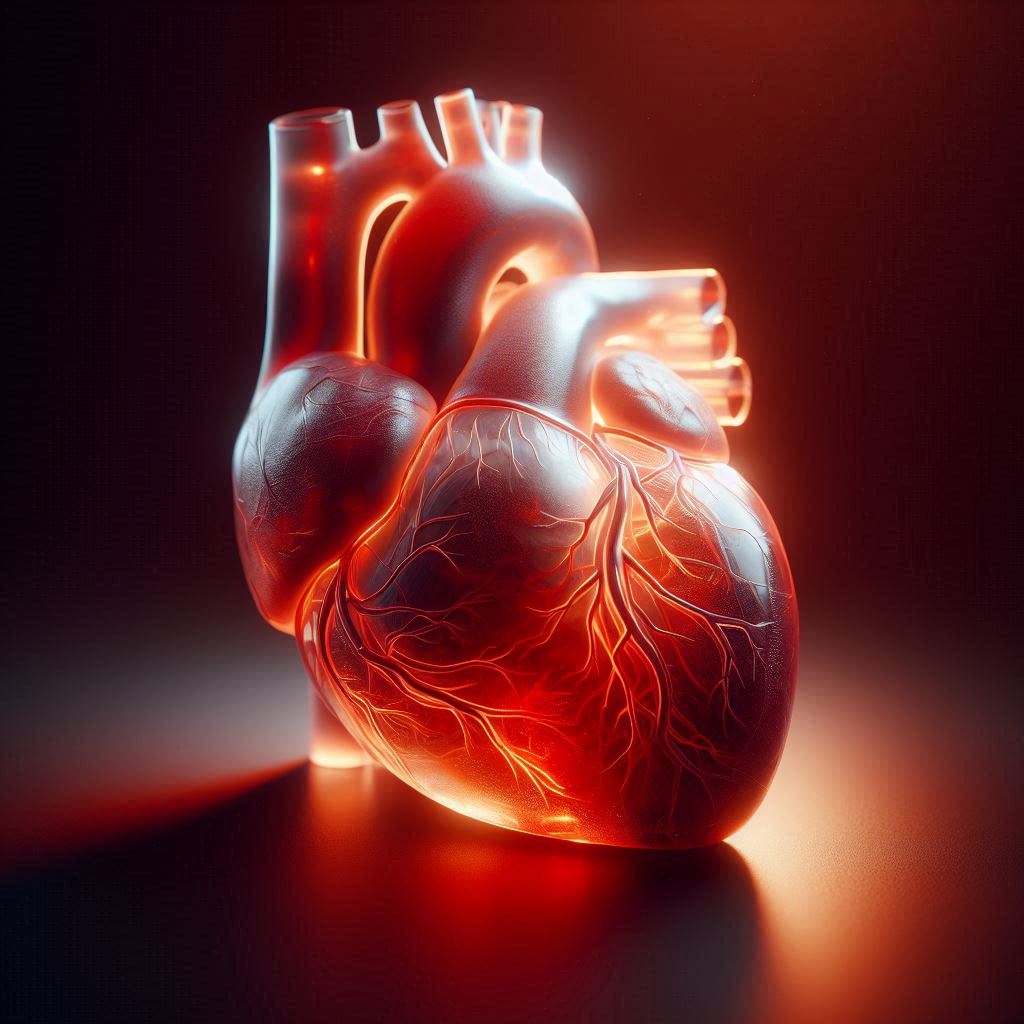
Multiple animal studies have demonstrated TB-500's ability to reduce damage after heart attacks and promote cardiac tissue regeneration. This is one of the most well-researched applications.
Wound Healing
Studies show accelerated wound closure, with TB-500 promoting both the migration of cells to the wound site and the formation of new blood vessels to supply the healing tissue.
Tendon and Ligament
Research in animal models shows improved tendon healing with TB-500 treatment, including better collagen organization and faster return to strength.
Neurological
Emerging research suggests TB-500 may support nervous system repair, with some studies showing improved outcomes after brain injury in animal models.
Side Effects: What to Watch For
TB-500 is generally considered well-tolerated in research, but reported side effects include:
Common (reported in community):
- Mild headache (usually first few doses)
- Temporary fatigue
- Slight nausea
- Injection site redness
Rare but discussed:
- Lightheadedness
- Head rush sensation
- Temporary increase in heart rate
The theoretical concern: Because TB-500 promotes cell growth and migration, there's an ongoing debate about whether it could theoretically promote cancer cell growth. No research has directly shown this, but it's the concern people bring up most often, so it is fair to flag.
TB-500 vs BPC-157
People always ask which one to choose. Here's the honest comparison:
| Factor | TB-500 | BPC-157 |
|---|---|---|
| Best for | Systemic healing, cardiac, muscle | Local healing, tendons, gut |
| Mechanism | Actin regulation, cell migration | Growth factor modulation, NO system |
| Research depth | Moderate (more cardiac focus) | Extensive (many tissue types) |
| Administration | Subcutaneous | Sub-Q or site-specific |
| Onset | Gradual (1-2 weeks) | Often faster (days to week) |
| Stacking | Commonly stacked with BPC-157 | Commonly stacked with TB-500 |
The real answer: They complement each other. That's why the "Wolverine Stack" exists. BPC-157 handles local, targeted healing while TB-500 provides systemic support.
Current Legal Status
TB-500 (as Thymosin Beta-4) is one of the peptides expected to return to Category 1 status following the February 2026 HHS announcement. This means it should soon be available through compounding pharmacies with a prescription.
Currently, it remains available from research peptide vendors and through our verified vendor directory. You can also find TB-500 at competitive prices on our PeptiBase Marketplace if you prefer ordering direct from the manufacturer.
Where to Buy TB-500
We've got you covered with two options:
- Premium resellers: Fast domestic shipping, Trustpilot verified, exclusive discount codes for Pro members. Browse vendors →
- Direct from manufacturer: Up to 90% cheaper, COA verified, order through PeptiBase. Browse marketplace →
Bottom Line
TB-500 is one of the more interesting healing peptides with legitimate preclinical research behind it. It's not a miracle compound - no peptide is - but the research on cardiac repair, wound healing, and tissue regeneration is genuinely promising.
If you're researching healing peptides, TB-500 deserves to be on your radar, especially in combination with BPC-157.
For research and educational purposes only. Not medical advice.
Researching peptides? Track your protocols free.
Pro members save 10% on every shop order, all year, with no cap.
Topics covered:
Enjoyed this article?
Get an email when we publish a new guide, when something sold out is back, or when a price drops.